
A criminal case in Turkey moves through two stages: the investigation, run by the public prosecutor, and the trial before the criminal court. What happens in the first hours of an investigation often shapes the whole case.
Investigation stage
- Custody and statements: You have the right to know the allegation, to remain silent, to consult a lawyer and to have a relative informed.
- Detention or judicial control: The criminal judgeship of peace decides on detention or measures such as a travel ban or reporting duty. An objection can be filed within 7 days.
- Evidence: We ask the prosecutor to collect evidence in your favour, such as camera footage, witnesses and phone records.
Trial stage
We examine the full case file, question witnesses, challenge expert reports and present the final defence after the prosecutor’s closing opinion. Serious offences punishable by more than ten years are tried before the high criminal court (ağır ceza mahkemesi), which sits as a panel of three judges.
Appeals and victims
Judgments can be appealed to the regional court of appeal within two weeks, and in certain cases to the Court of Cassation. We also represent victims as complainants and intervening parties.
Frequently asked questions
Can a lawyer be present when I give a statement to the police?
Yes. You may consult a lawyer in private and have the lawyer present while your statement is taken. You also have the right to remain silent on the allegations.
How long can I be held in police custody?
As a rule, up to 24 hours. For offences committed collectively, the prosecutor may extend custody in daily increments up to three days; longer periods apply to certain organised and terrorism offences.
Will an interpreter be provided?
Yes. If you do not speak Turkish, an interpreter is provided free of charge during statements and hearings.
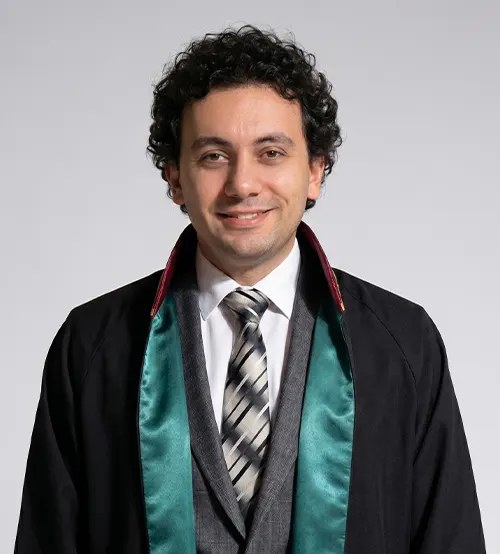
Member of the Bursa Bar since 2017 (Reg. No 4990). Graduate of Ankara University Faculty of Law.